
A featured contribution from Leadership Perspectives, a curated forum for enterprise technology leaders, nominated by our subscribers and vetted by the CIOApplications Editorial Board.

Grinnell Mutual
Game on, leaders: The success or your company's remote workforce is up to you
This poses a question: Is it the employees who are struggling with working remotely, or is it the leadership that is struggling with managing the remote workforce?
What are the real issues around productivity and engagement? How do we keep team members engaged who are not all on the same court? How do you bring new employees into remote work environments and still give them a sense of belonging?
Remote work has changed the paradigm of how employees work. They now have more flexibility, increased accountability for their own tasks, and a revitalized focus on their communities, friends, and families. Team members who are new to working remotely or new to the company may feel like they’re sitting on the sidelines, wondering how to get into the game, how to be involved in the day-to-day decisions, and how to contribute to the organization’s success. These resources are struggling to strike a balance between learning how the organization's inner workings work and the expectations of remote work employment.
Helping employees navigate the new field between increased accountability and decreased interactions begins with leadership opening the lines of communication and distributing a playbook that everyone works from, no matter where their office is located. Leaders need to be champions for this new playing field and create an even stronger working partnership with staff who work remotely to be successful.
Training course topics may look like the past, but now they need to focus on the remote work challenges that have changedthe game:
• Trusting your staff and verifying outputs
• Creating clear goals and transparency for day-to-day work
• How to create clear expectations that are project based
• How to create clear metrics that matter and demonstrate success
• How to stay engaged with remote teams
• How to build connection with remote work force
• How to measure remote success
It’s also imperative to make sure leaders understand the importance of one-on-one feedback and of meeting on a regular basis with each staff member. Leaders and staff need to take the time to prepare for each meeting. Leaders should be asking engaging questions and understanding what people are working on so they can help the employee see how a project or assignment aligns with moving the business forward and fits into the company’s overall goals. Helping individuals feel a personal connection during this time of impersonal communications starts with leaders that have a passion to lead and help their teams be successful.
If we want engaged, accountable, and driven self-starters on our teams, we must make sure we are training our leaders at every level in a new style of coaching, mentoring, and leadership.
“Working hard” no longer equates to how many hours are spent at the office, but to the ability to provide quality end products within the deadlines set. If done correctly, productive and engaged employees will flourish. People who have transitioned to remote work continue to express their appreciation for the flexibility and work-life balance that this opportunity has provided, as well as the fact that remote work has improved their quality of life. It's up to leadership to partner with staff to make sure we can continue to support that benefit by being clear about expectations, being transparent about company goals, and keeping the lines of communication open and productive.
The game has changed, and although some companies will continue to use their old playbooks, I believe those willing to update their playbooks will be successful.
Game on, leaders.
If we want engaged, accountable, and driven self-starters on our teams, we must make sure we are training our leaders at every level in a new style of coaching, mentoring, and leadership.
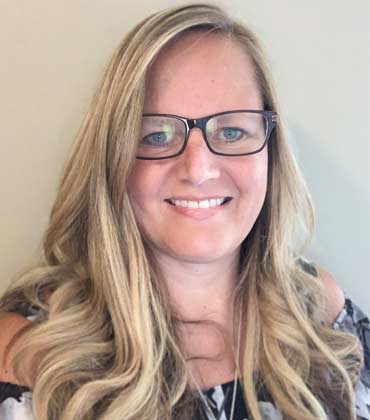
Nicole Chesmore
AVP – IT Cybersecurity, Operations and Service Management.

